12 cosas que nadie te dice de Puerto Vallarta
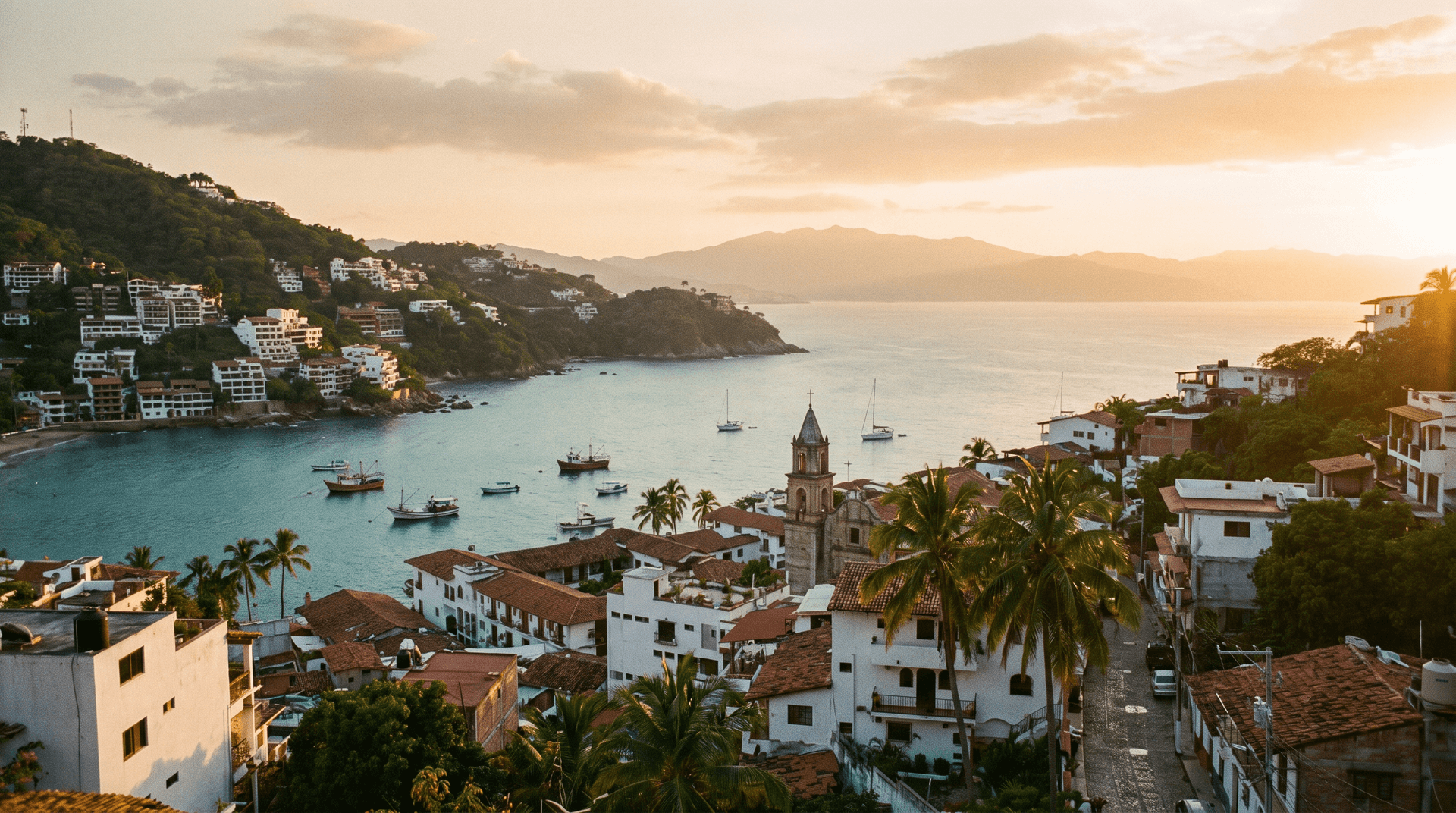
Puerto Vallarta y la Bahía de Banderas se venden solos con la postal: playa, montaña y atardeceres imposibles. Pero cuando pasas de visitante a residente —o empiezas a considerarlo en serio— descubres una capa que ninguna guía turística te cuenta. Cosas raras, bonitas y a veces sorprendentes que hacen que vivir aquí se sienta distinto. Aquí van las que más nos preguntan (y las que más enamoran).
1. Medio Puerto Vallarta se vuelve canadiense en invierno
No es tu imaginación: de noviembre a abril, la bahía se llena de acento canadiense. Miles de snowbirds de Canadá y del norte de Estados Unidos escapan del frío y pasan el invierno aquí, muchos en la misma propiedad año tras año. Es una de las comunidades de expatriados más grandes y establecidas de México, y explica por qué encuentras cafés, ligas de pickleball y hasta panaderías con sabor del norte por toda la ciudad.
2. El mar brilla de noche
En ciertas noches, sobre todo en temporada de lluvias, el agua se ilumina con destellos azul-verdosos cuando la mueves. Es bioluminiscencia: plancton microscópico que brilla al agitarse. No pasa siempre ni en toda la bahía, pero cuando te toca —caminando por la orilla o metiéndote de noche— es de esas cosas que no se te olvidan.
3. Ves ballenas desde el balcón
De diciembre a marzo, las ballenas jorobadas llegan a la Bahía de Banderas a reproducirse. No necesitas tour: desde muchas terrazas y playas se ven sus saltos y chorros a lo lejos. Para quien vive frente al mar, es un espectáculo de temporada que llega gratis a la sala.
4. Las iguanas son parte del vecindario
Grandes, prehistóricas y totalmente inofensivas, las iguanas toman el sol en bardas, techos y jardines como si pagaran renta. Al principio impresionan; a las dos semanas ya las saludas. Son parte del encanto tropical del lugar.
5. Sí hay cocodrilos, pero saben quedarse en su lugar
Viven en esteros, lagunas y desembocaduras de río, no en la playa abierta. El riesgo no está repartido por igual en la bahía, y conociendo dónde y cuándo, nadar es perfectamente seguro. Lo explicamos a detalle en nuestra guía de dónde nadar seguro en Puerto Vallarta.
6. Una bahía, dos estados
La Bahía de Banderas es compartida: Puerto Vallarta está en Jalisco, mientras que Bucerías, Nuevo Vallarta y La Cruz están en Nayarit. Cruzas un puente y cambias de estado —con su propio ritmo, sus reglas y su ambiente— aunque el reloj marque la misma hora (Nayarit ajustó su horario para igualar al de Vallarta). Para comprar, esa línea invisible sí importa: cambia trámites, impuestos locales y estilo de vida.
7. Los "buitres" del cielo en realidad son fragatas
Esas siluetas negras de alas largas y cola de tijera que planean sin mover un ala sobre la bahía son fragatas, no zopilotes. Son parte del paisaje diario y una de esas cosas pequeñas que, una vez que las notas, ves todos los días.
8. Llueve casi siempre de noche (y limpia la ciudad)
El verano asusta a algunos por la palabra "temporada de lluvias", pero el patrón real sorprende para bien: días soleados y calurosos, y tormentas breves e intensas casi siempre por la tarde-noche. Amaneces con todo verde, lavado y fresco. Muchos residentes prefieren el verano justo por eso.
9. Es una de las ciudades más acogedoras y diversas de México
Puerto Vallarta tiene fama —bien ganada— de ser abierta, tranquila y sin prejuicios. Es uno de los destinos más LGBTQ-friendly de Latinoamérica y, en general, una comunidad donde el recién llegado se integra rápido. Ese ambiente humano es, para muchos, la verdadera razón por la que se quedan.
Y esa capa "escondida" es justo lo que la hace un lugar para vivir
Las postales atraen turistas; estos detalles son los que enamoran a quien decide quedarse. Entender cómo se siente de verdad la vida en la bahía —temporadas, zonas, ambiente— es también entender qué propiedad te va a hacer feliz a largo plazo. En HOMIA vivimos la bahía todos los días y con gusto te ayudamos a encontrar no solo una casa, sino el lugar correcto para ti.
Desarrollos HOMIA
Descubre nuestros exclusivos desarrollos en la Riviera Nayarit y Puerto Vallarta