El Calendario Secreto de la Bahía de Banderas: Ballenas, Mar que Brilla y Otros Espectáculos que Nadie te Cuenta
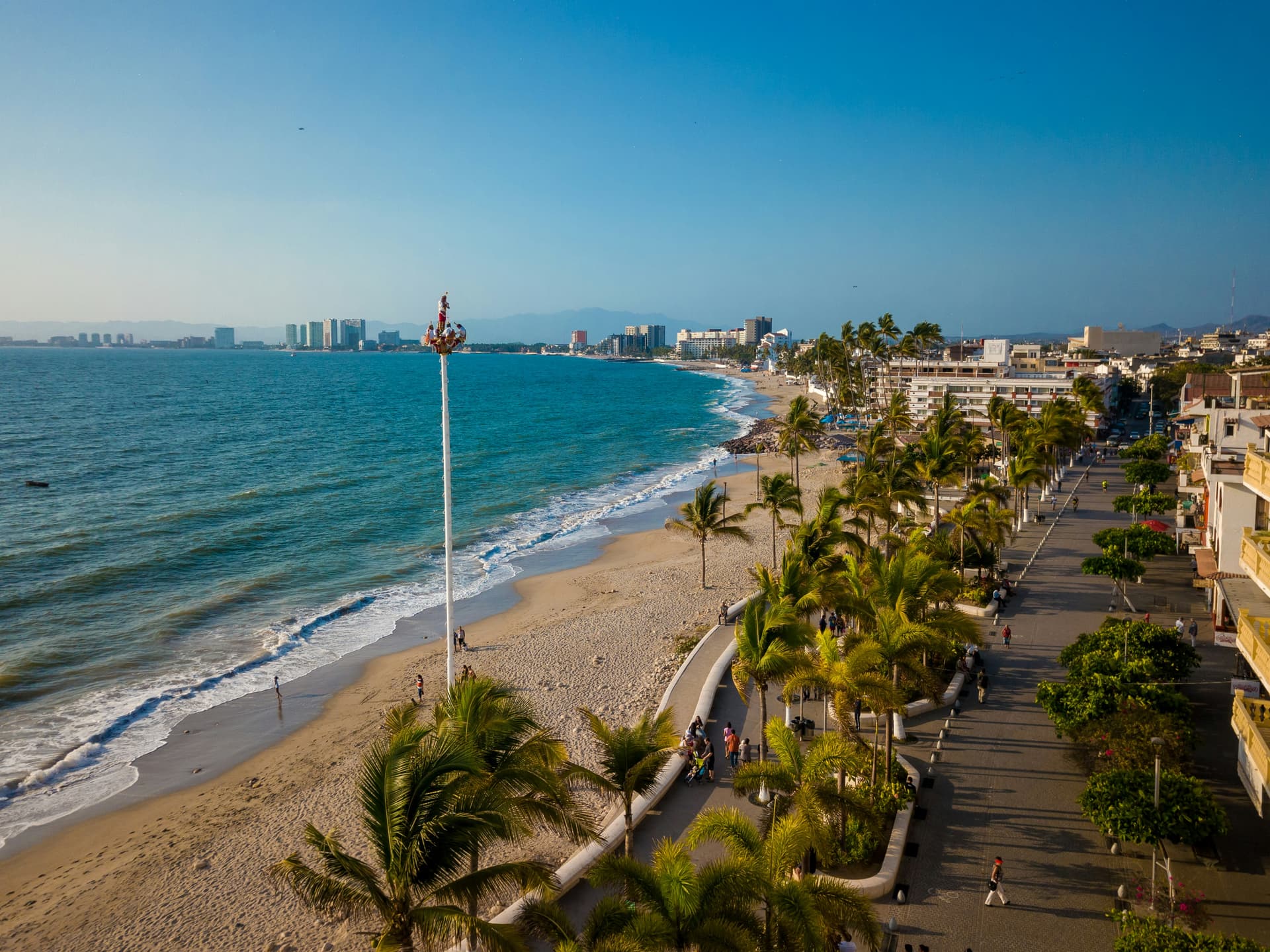
Todo el mundo viene a Puerto Vallarta por la playa, el atardecer y el margarita de las 5. Pocos saben que la Bahía de Banderas es, en secreto, uno de los mejores espectáculos de naturaleza del planeta — y que tiene calendario. Aquí va el que nadie te da: mes por mes, para que no te pierdas lo bueno.
Diciembre a marzo: llegan las ballenas (y hacen piruetas)
Cada invierno, ballenas jorobadas nadan más de 6,000 km desde Alaska hasta aquí, solo porque nuestra bahía está calientita y es perfecta para tener a sus ballenatos. La temporada oficial va del 8 de diciembre al 23 de marzo, y el pico es enero-febrero. ¿Lo mejor? A veces las ves saltar desde el malecón, sin pagar tour. Dato para presumir: los machos "cantan" bajo el agua, y su canción puede durar horas. Sí, la bahía tiene banda sonora.

Primavera y verano: las mantarrayas gigantes
Cuando el agua se calienta es la mejor época para bucear o esnorkelear cerca de las Islas Marietas y El Morro y toparte con mantarrayas gigantes del Pacífico — planeando bajo el agua como naves silenciosas, algunas de más de 3 metros de punta a punta. Aquí viven prácticamente todo el año. (Y para no venderte un mito: el espectáculo salvaje de cientos de rayas mobula saltando en fila, las famosas "tortillas voladoras", pasa sobre todo más al norte, en el Mar de Cortés. Lo de aquí es verlas de cerca bajo el agua — que no tiene nada que envidiar.)

De agosto a diciembre: el mar que brilla en la noche
Esta es la que casi nadie conoce, y es real: de agosto a diciembre, en noches cálidas y sin luna, el plancton del agua brilla azul eléctrico cuando algo lo mueve. Hay tours en kayak y SUP a Los Arcos (al sur de Vallarta) para verlo, y también aparece en playas oscuras de Bucerías y Chacala. Caminas por la orilla y tus pisadas se encienden; metes la mano al agua y sale luz. Se ve como salido de Avatar. Ojo: nunca está garantizado — depende del plancton, la marea y qué tan oscura esté la noche.

Julio a diciembre: nacen las tortugas
Las tortugas marinas llegan a desovar a nuestras playas, y por la tarde-noche puedes sumarte a una liberación: cientos de tortuguitas recién nacidas corriendo hacia el mar. El campamento de Boca de Tomates, justo detrás del aeropuerto, libera unas 60,000 tortugas al año, y las liberaciones son gratis y abiertas al público de julio a diciembre. Es de esas experiencias que ponen a llorar hasta al más rudo.

Todo el año: los que nunca se van
Y luego están los residentes permanentes: los delfines que surfean la estela de las lanchas como si les pagaran, las iguanas que toman el sol en cada barda como si rentaran el lugar, y los pájaros bobo de patas azules de las Islas Marietas — donde también está la famosa Playa Escondida (Playa del Amor), a la que se entra nadando por un túnel entre las rocas. Está tan protegida que solo dejan entrar 116 personas al día con permiso. Sí, existe. Sí, es tan bonita como en las fotos.

Cómo verlo sin ser experto
No necesitas ser biólogo. Las ballenas se ven en tours desde la Marina (elige operadores con permiso). El mar bioluminiscente lo dan en tours nocturnos o lo cazas tú en playas oscuras. Las Islas Marietas están protegidas: se entra con reservación y cupo limitado (por algo siguen siendo un paraíso). Y las liberaciones de tortuga las hacen los campamentos en temporada. Regla de oro: mira, no toques, y ve siempre con gente autorizada. La bahía nos presta el show; nos toca cuidarlo.
Moraleja: vivir aquí no es solo playa y tacos (aunque también). Es tener temporada de ballenas desde tu terraza, mar que brilla en otoño y tortugas al atardecer — un pase de primera fila a un espectáculo que cambia cada mes. Y ni cerraron nunca la taquilla. ¿Y sabías que el mundo descubrió este paraíso por un escándalo amoroso de Hollywood, y que una de sus playas más famosas nació de una bomba militar?
Desarrollos HOMIA
Descubre nuestros exclusivos desarrollos en la Riviera Nayarit y Puerto Vallarta