Moving to Puerto Vallarta: 10 Honest Answers
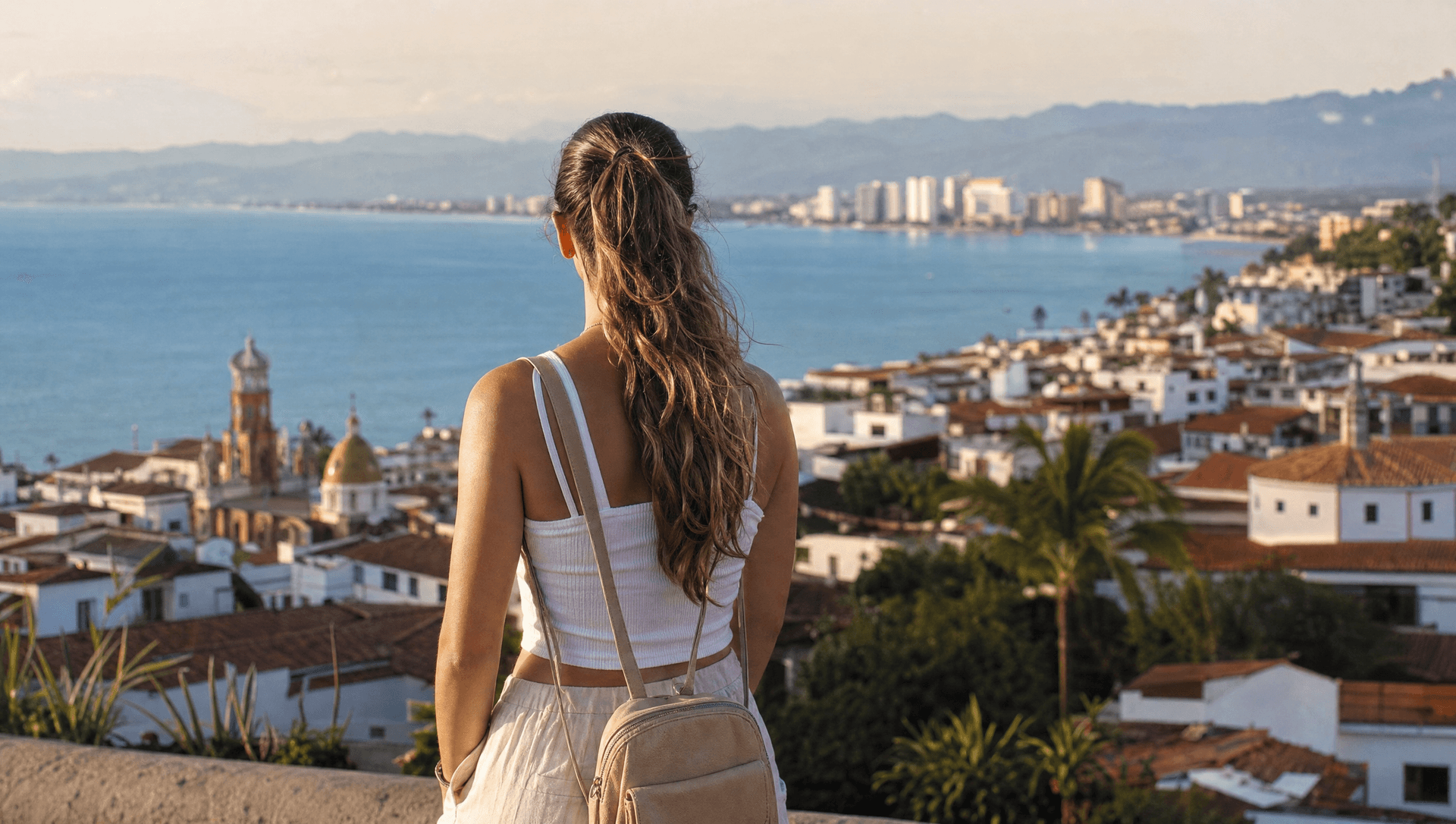
Falling in love with Puerto Vallarta on vacation is easy. Deciding to move — or buy here — is another thing: the practical questions show up, the ones the brochures skip. These are the ones people about to make the leap ask us most, answered straight, the way we'd tell a friend.
Do I need to speak Spanish to live here?
To get by, no. In the Romantic Zone, downtown and the expat areas you can live perfectly in English: restaurants, doctors, real estate offices and services all speak it. But let's be honest: learning even basic Spanish changes the experience — paperwork, markets, friendships with neighbors — and takes you from "tourist who stayed" to actual resident.
Is the internet good enough for remote work?
Yes. Most of Puerto Vallarta and Banderas Bay has fiber internet (Telmex, Totalplay and others) with plenty of speed for video calls, uploads and streaming. Outages happen, especially in storms, so many nomads keep a mobile-data backup. But as a remote-work base, it works very well.
Do I really need a car?
It depends where you live. In downtown and the Romantic Zone everything is walkable and transport is dirt cheap (buses, taxis, Uber/DiDi). If you settle on the Nayarit side — Bucerías, Nuevo Vallarta, La Cruz — or you like exploring Sayulita and the pueblos, a car helps a lot. Many residents happily go car-free the first few months and decide later.
Can I drink the tap water?
The local habit is not to drink tap water: people use bottled jugs or filters, and most do the same for cooking and brushing teeth. Restaurants use purified water and ice. It's not a big deal — it's just how it works — and after a week you don't think about it.
What's healthcare and doctors like?
Better than many expect. Puerto Vallarta has solid private hospitals (CMQ, San Javier, Joya) and many doctors who trained abroad and speak English. A private consultation costs a fraction of what it would in the U.S. or Canada, and it's one of the reasons so many retirees choose the bay.
Is it really LGBTQ-friendly?
Yes, and the reputation is well-earned. Puerto Vallarta is considered one of the most open, LGBTQ-friendly destinations in Latin America, with the Romantic Zone as the heart of that community. Beyond that, it's a city where newcomers — from anywhere — integrate fast.
Can you retire here on Social Security alone?
For many people, yes, with a modest lifestyle. The key is housing: someone who already owns (or rents long-term outside premium areas) can live comfortably on a typical retirement check. With a beachfront lifestyle and frequent nights out, you'll need more. The honest answer is that it depends on your rent/mortgage and your habits, not on a magic number.
What's the low season really like?
Summer is hot and humid, with storms almost always at night. In return: fewer crowds, lower prices, a more "local" city and everything green. Some tourist businesses close for a few weeks. A lot of people love summer for exactly that slower rhythm.
And is it safe?
Puerto Vallarta is one of the most easygoing destinations in Mexico, with a large expat community living here without trouble. Big-city common sense applies. We cover it in depth in our guide Is Puerto Vallarta Safe?.
The real question: is it for you?
None of these answers decides for you; together they give you the real picture of life on the bay. If after reading them the idea excites you more than it scares you, you probably already know the answer. At HOMIA we walk U.S. and Canadian buyers through this every day — from the first question to the keys — and we're glad to help you take the next step with clarity.
HOMIA Developments
Discover our exclusive developments in Riviera Nayarit and Puerto Vallarta